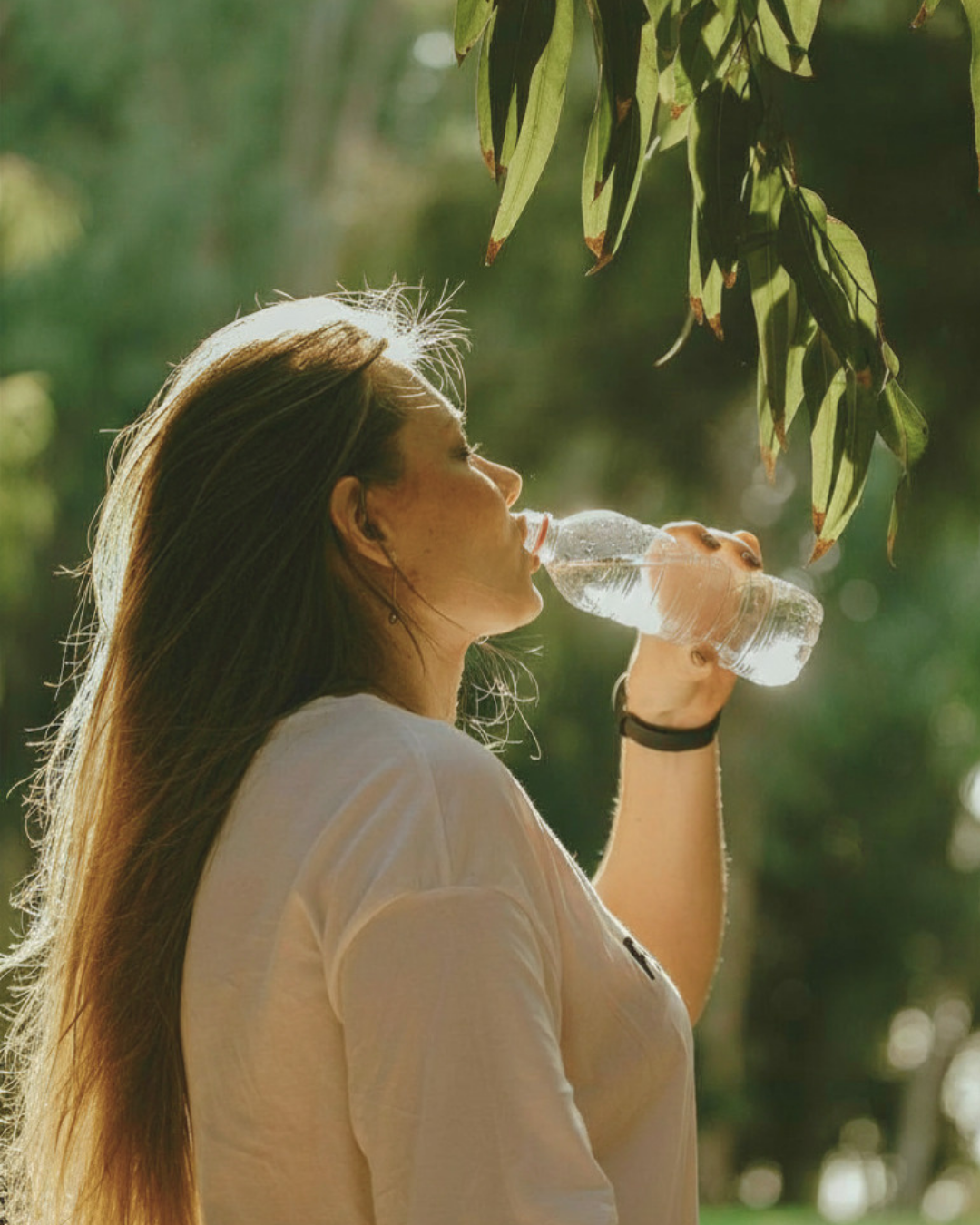
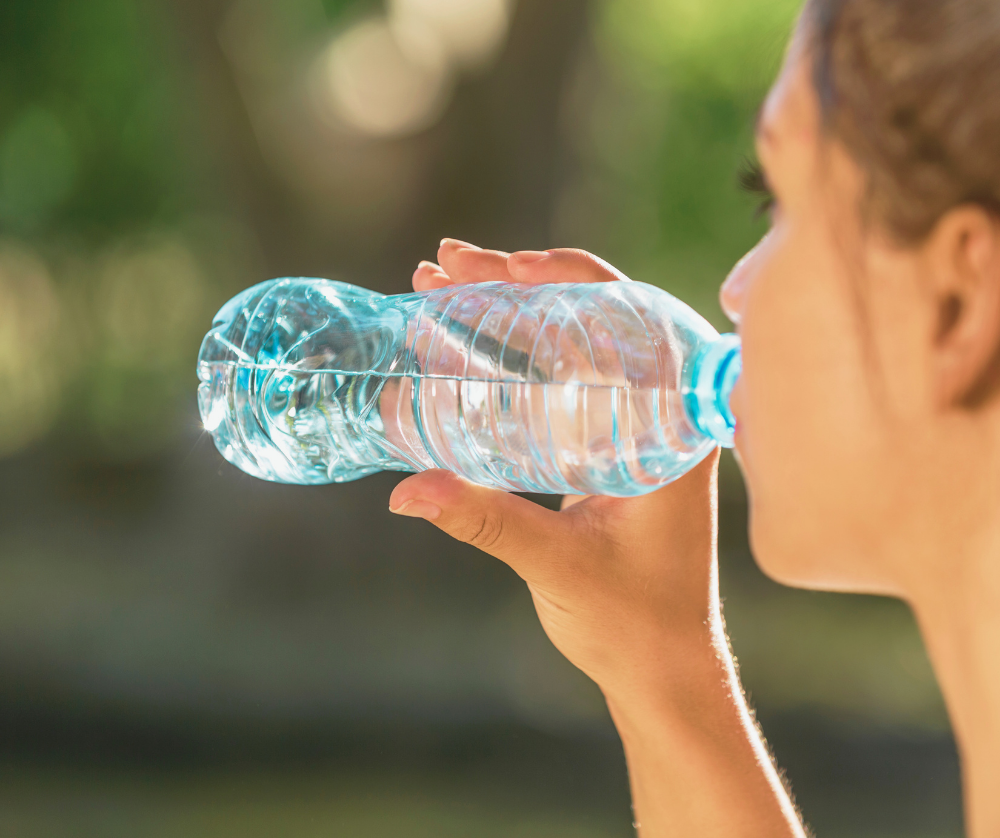
Water is a fundamental part of everyday life, helping the body function normally and supporting hydration. In Australia it's the most widely consumed drink, available as tap, bottled, spring, sparkling and flavoured varieties.
Tap any ingredient to learn what it does in the bottle.
1–1.9 L per day depending on age and gender. Totals include fluid from all drinks, not just plain water. Needs increase in hot weather or with exercise.
1–1.9 L per day depending on age and gender. Totals include fluid from all drinks, not just plain water. Needs increase in hot weather or with exercise.
1–1.9 L per day depending on age and gender. Totals include fluid from all drinks, not just plain water. Needs increase in hot weather or with exercise.
1–1.9 L per day depending on age and gender. Totals include fluid from all drinks, not just plain water. Needs increase in hot weather or with exercise.
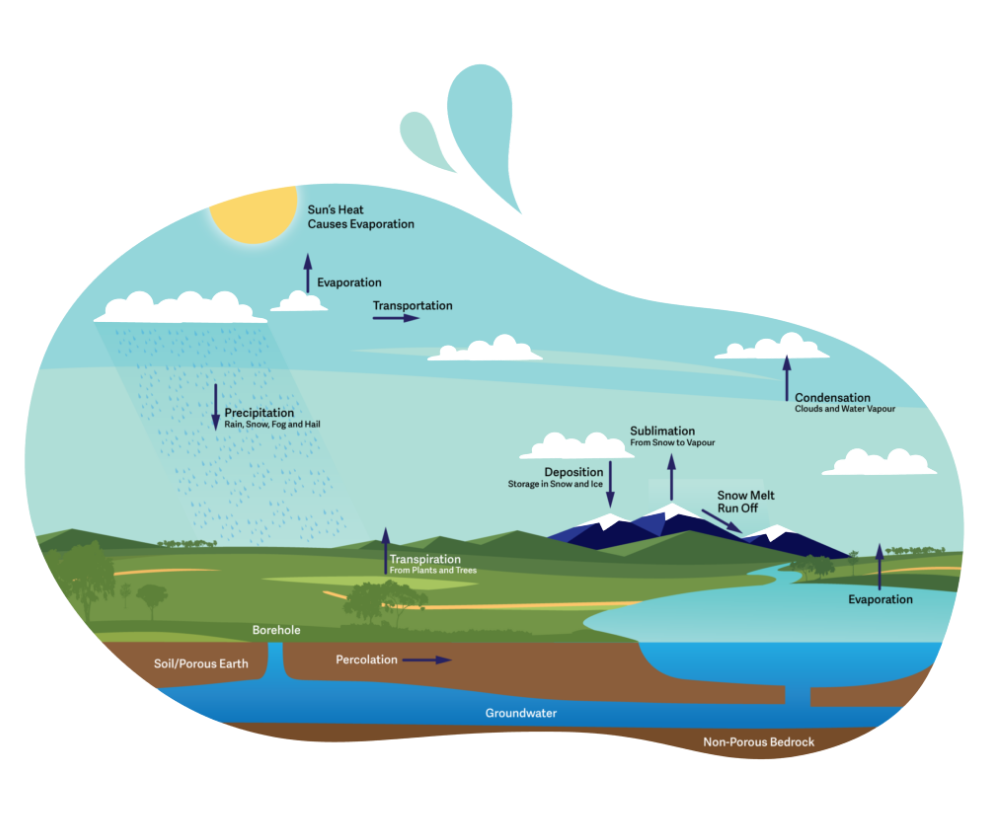
The packaged water industry uses groundwater as its main source of high-quality, refreshing water. Groundwater is a natural resource that is continuously replenished through the hydrological cycle, the constant movement of water between the sky, land and underground reservoirs.
Rain and snow soak into the soil, percolate through porous earth and collect as groundwater, which is then drawn up through boreholes for bottling.
Regulation
How is drinking water
regulated in Australia?
Packaged water sold in Australia must comply with strict safety and quality requirements under the Australia New Zealand Food Standards Code, administered by Food Standards Australia New Zealand (FSANZ), to ensure it is safe to drink and accurately labelled. These requirements cover composition, treatment processes and labelling standards.
Companies often align with the Australian Bottled Water Institute (ABWI) Code of Practice for additional quality control, which is widely recognised.
Tap any ingredient to learn what it does in the bottle.